


Journal Entry 27/09/2024 (2)
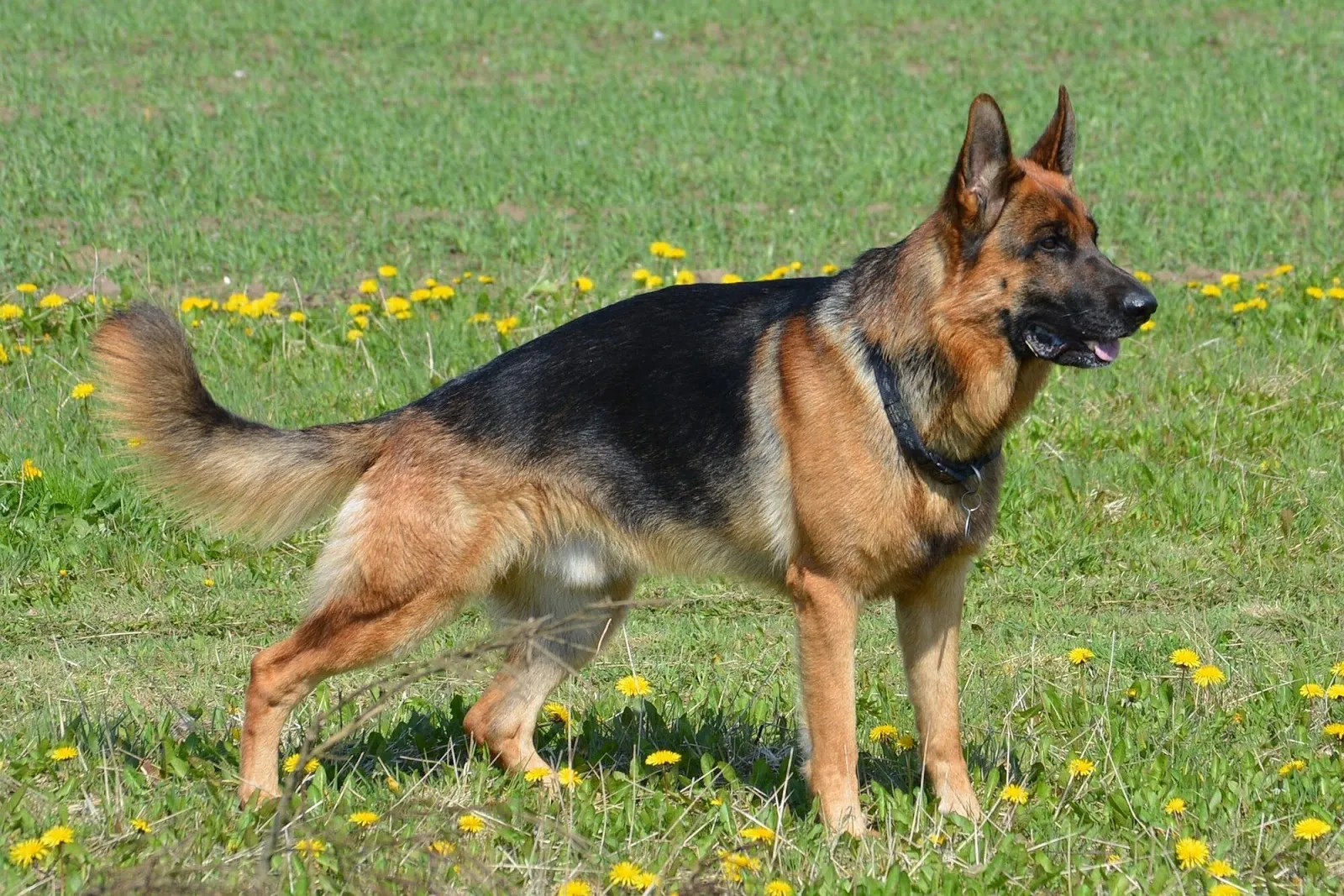 Photo credit: Anon
There’s a common misconception that German Shepherd Dogs (GSDs) are always black and tan, and this misconception extends to the idea that black German Shepherds are not true GSDs. However, this couldn’t be further from the truth.
It’s important to recognize that black German Shepherds are indeed part of the breed, and their color variations are often overlooked. The lack of comprehensive information online may contribute to this misunderstanding about their legitimacy as true GSDs.
The original German Shepherds were primarily black, with many of the early breeds showcasing a double coat. Horand Von Grafath, the first registered German Shepherd, had a predominantly black coat with a tan undercoat, which reflects the coloration seen in some of the earliest GSDs.
In discussing the lineage of German Shepherds, it’s essential to recognize several influential dogs in the breed’s history:
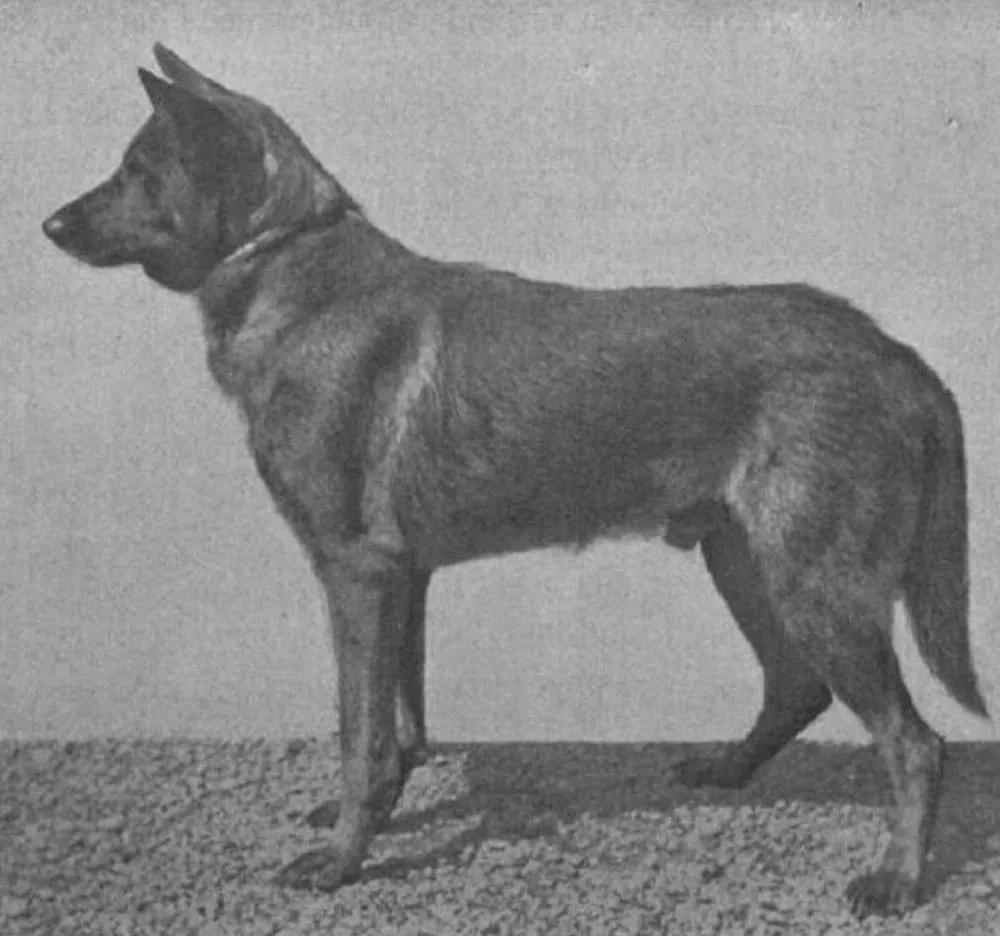
Horand Von Grafath, recognized as the foundation dog of the German Shepherd breed, was born in 1895 and became the first registered German Shepherd in 1899. His coat was primarily black with tan markings, a coloration characteristic of the early German Shepherds.
Horand’s lineage includes notable dogs such as Hector Von Schwaben, who was known for his strength and temperament.
Beowulf Sonnenberg, celebrated for his exceptional working abilities and robust physique. These dogs contributed significantly to the breed’s development and were part of the early efforts to establish the German Shepherd as a versatile working dog.
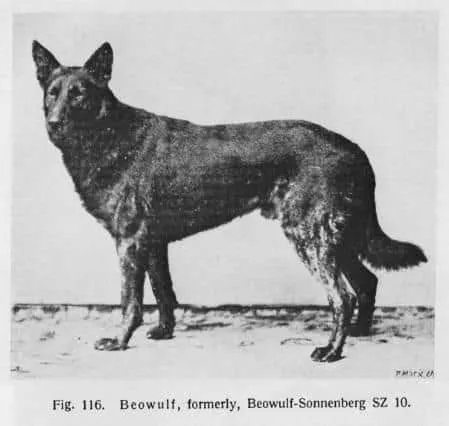
These dogs contributed significantly to the breed’s development and characteristics. Their roles varied from working dogs to show dogs, emphasizing the versatility and intelligence of the breed.
The German Shepherd breed has been divided into various lines, each with distinct characteristics and purposes. These lines include:
1. East German Working Line
2. Czech Working Line
3. West German Show Line
4. American German Show Line
5. West German Working Line
Among these, the West German Working Line is the breed closest to the original German Shepherd standards. This line is recognized for its working ability and adherence to the breed’s foundational characteristics. The East German Working Line also preserves much of the original breed’s traits, particularly in terms of temperament and drive.
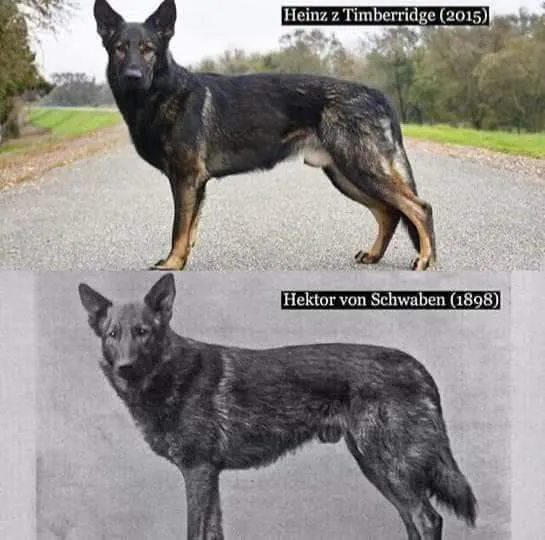
German Shepherds today come in various colors, including solid black, sable, and even white. While the white German Shepherd is sometimes considered a separate breed due to its distinct recognition issues, the other colors are all part of the GSD breed, showcasing the diversity within it.
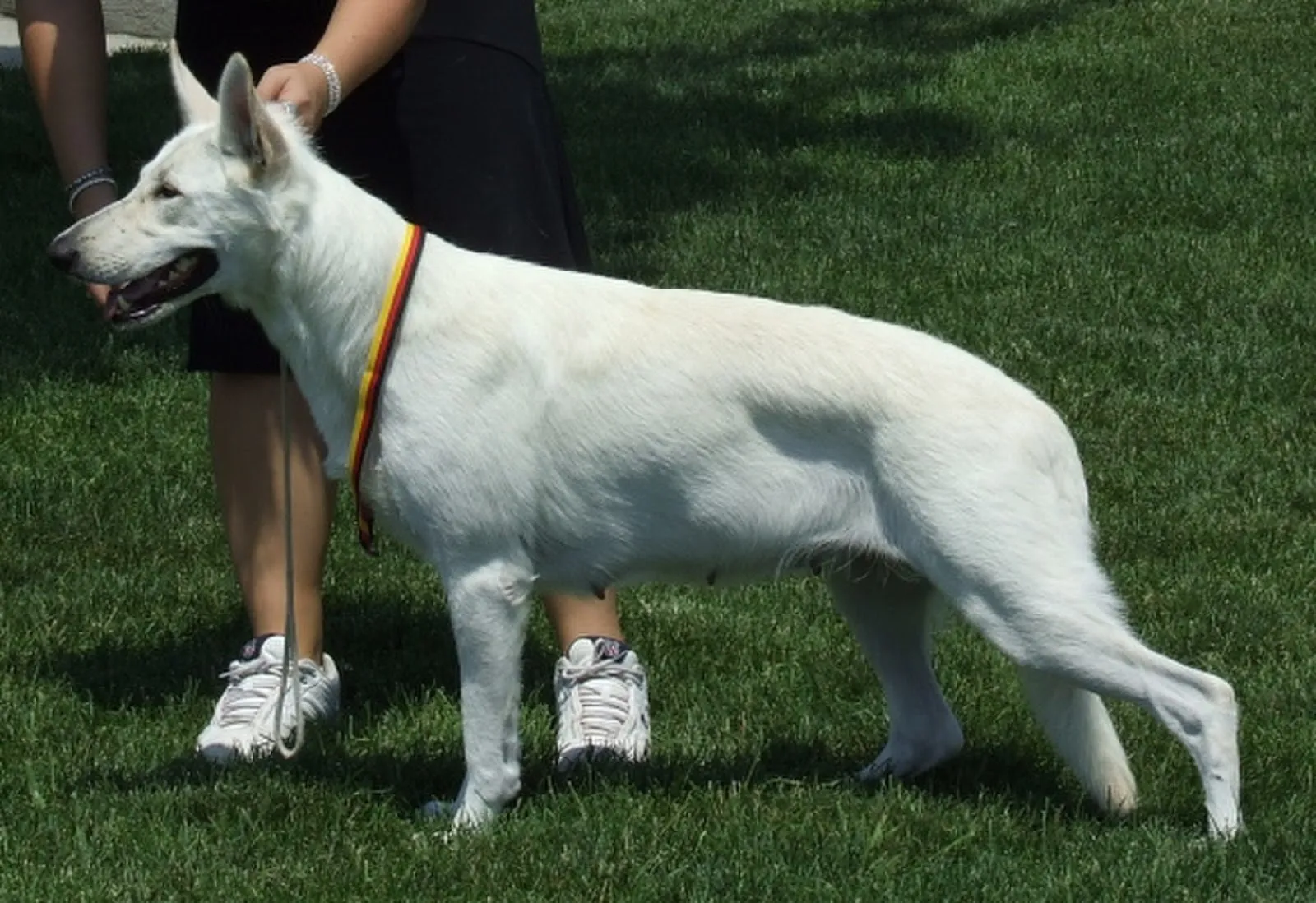
This misconception about color can be attributed to breed standards set by various kennel clubs that have historically favored the black and tan coloration. However, it is vital to acknowledge the broad spectrum of colors present in the breed’s history.
Understanding the true origins and varieties of the German Shepherd Dog is crucial for appreciating its rich heritage and the versatility that this remarkable breed offers.