

Journal Entry 03/10/2024
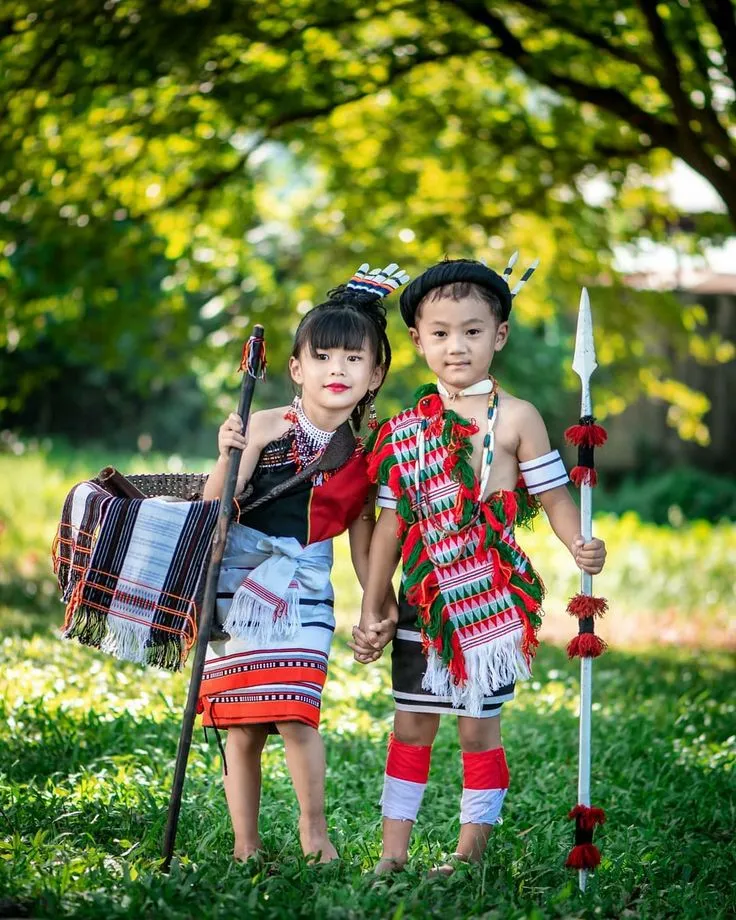 Photo credit: Pinterest
The influence of the British East India Company significantly impacted the modernization of various tribal communities in Northeast India, leading to notable changes in our cultural practices and social structures. However, many of us have maintained our traditional beliefs, creating a complex dynamic—especially with the introduction of religions such as Christianity and Hinduism. This situation raised some important questions for us : Which of our traditional values should we set aside? How do we move forward from here?
We disbanded the illogical and embraced what’s logical and we moved on.
As we navigate the interplay between tradition, morals, and modernity—shaped by these religions—we face additional challenges posed by the influence of the internet and social media. These factors complicate our efforts to find an identity that can coexist with the outside world. We now grapple with balancing new realizations and our previously held identities as members of our tribal communities.
For instance, we no longer practice headhunting because the value we assign to life today aligns more closely with modern societal values. Nevertheless, we continue to celebrate our age-old festivals, which are essential for preserving our cultural heritage amidst this transformation. This evolution highlights a broader shift within our community as we navigate changing beliefs while striving to maintain the traditions that define us.
Despite the changes brought about by modernization and colonial influence, many tribal communities, including my own, remain deeply rooted in cultural practices. Celebrating our age-old festivals connects us to our ancestors and serves as a testament to our resilience. While modern beliefs shape much of our daily lives, these traditions help us maintain a sense of identity and belonging. Balancing the honoring of these customs with the need to adapt to modern realities remains a defining challenge for us as we strive to protect our cultural heritage without being left behind in an ever-changing world.
However, in our attempts to secure a place in the broader global community—establishing an identity that is distinct yet in step with the modern world while holding onto aspects of our long-held beliefs—we may inadvertently limit ourselves from seeing the bigger picture. Instead of solely focusing on preserving our uniqueness, we should ask ourselves how we can contribute to the world. By shifting our focus from identity preservation to active participation, we may find more meaningful ways to bridge the gap between tradition and modernity, offering our unique perspectives and values as part of the global conversation.
We’re still caught up in conflicts, wars, and violence, and it often feels like there is no end in sight. In navigating the pressures of modernity and tradition, we tend to surrender our future to our leaders, giving up our rights in the process. This authoritarian mindset, where we place our trust entirely in those in power, leaves us vulnerable to cycles of control and conflict. Instead of seeking solutions, we allow these patterns to persist, limiting our potential to contribute meaningfully to both our communities and the broader world.
It’s important to recognize that using new technologies to engage in wars and perpetuate conflicts doesn’t equate to true modernity. Despite having access to these tools, we remain trapped in our own bubbles, unable to break free from cycles of violence. This represents an ineffective use of the modernization introduced to us in the 1900s. Modernity should be about progress, growth, and contributing to a more connected world, not about clinging to outdated power struggles. If we continue down this path, we risk missing the opportunities that can lead us to greater realizations of our identities, both personal and collective.
What would we say to defend ourselves when our descendants ask what we have been doing all this time? Would we be able to justify the wars, the conflicts, and the ineffective use of the tools modernization has provided? Or would we lash out, silencing them for daring to question how our leaders have led us? If we remain trapped in these cycles, clinging to outdated ideas of power and control, we risk not only our future but also the respect and trust of the generations that follow. How can we call ourselves modern if we refuse to move beyond these self-imposed limitations?
I’m aware that these are not new thoughts or revolutionary ideas. I’m merely voicing something we all know deep inside. I also understand that I have nothing to defend myself with if someone questions my identity or my place in this conversation. However, acknowledging this doesn’t resolve the deeper problems we face, nor does it bring to life any vision that conflicts with the current reality. In the end, I’m just an old man sharing random thoughts, recognizing that it’s not up to me to change the course of reality. I can only hope these reflections spark some thought in others, however small, and help us question the path we continue to follow.
Ultimately, I don’t see any other way for us to progress. I doubt we will always choose to wait for others to take action. This path seems to be the only one available to us unless we are willing to abandon our identities altogether. The question remains whether I will live to see this new world, as my time here is limited.